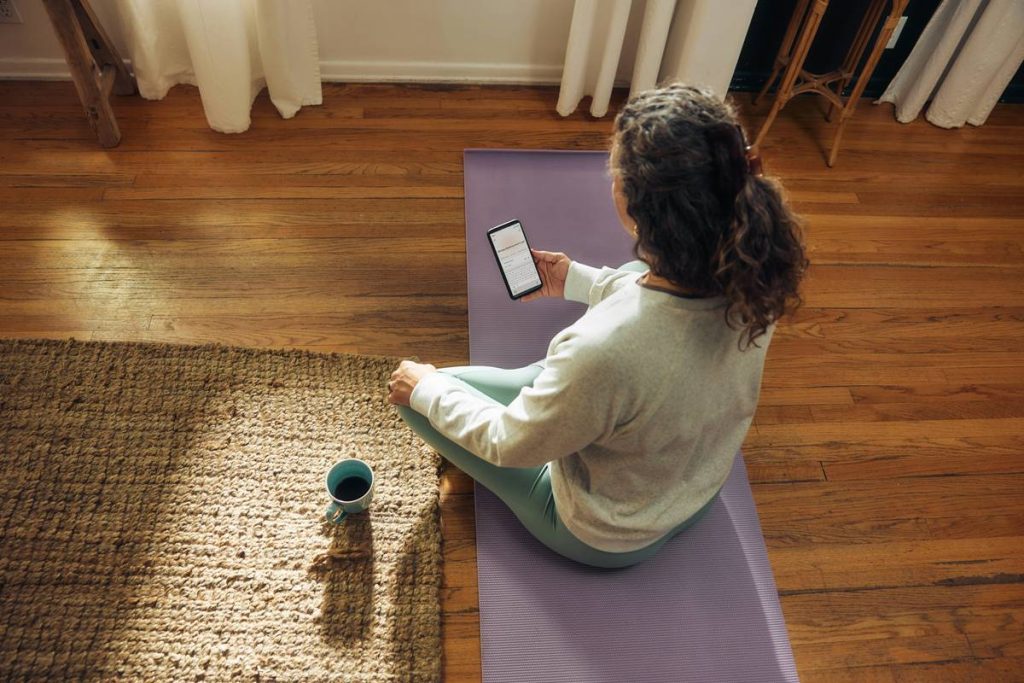
You set ambitious wellness goals every Sunday. By Wednesday, you’re back to skipping workouts, eating leftovers at midnight, and wondering why your calendar looks busier than your actual life. The problem isn’t motivation—it’s misalignment. Most apps treat routines like rigid military drills. But real health thrives in flexible structure. Enter plan perfect for healthy routines: not perfectionism, but intelligent design that bends with your energy, schedule, and humanity.
Why Generic Planners Fail Your Health Goals
Traditional to-do lists and habit trackers assume linear progress. Life isn’t linear. You don’t fail because you’re lazy—you fail because the system ignores context.
Your cortisol spikes on Tuesday afternoons. Your focus evaporates post-lunch. Yet your app insists “Drink water!” at 3 PM without knowing you just downed a liter during your yoga class. Worse, it penalizes you for shifting a walk from morning to evening—even though both burn the same calories.
That rigidity breeds guilt. And guilt kills consistency faster than any missed deadline.
How to Build a Plan Perfect for Healthy Routines
Forget chasing flawless streaks. Build a responsive architecture—not a checklist.
Anchor Habits Around Energy, Not Clock Time
Map your chronotype first. If you’re a night owl forced into a 6 AM workout, you’ll resent it. Sync movement with natural peaks—lunchtime walks, evening stretches, or even 10-minute dance breaks between Zoom calls. The goal is adherence, not aesthetics.
Leverage Micro-Routines Instead of Grand Schemes
“Meditate 20 minutes daily” sounds noble. “Breathe deeply while your coffee brews”? That sticks. Tiny actions embedded in existing rituals survive chaos. They compound silently.
Design Weekly Themes, Not Daily Dictates
Monday = Hydration Focus. Wednesday = Movement Exploration. Friday = Digital Sunset. Themes create coherence without crushing spontaneity. Miss a Tuesday stretch? No penalty—just keep the weekly intention alive.

| Approach | Daily Rigid Tracking | Plan Perfect Framework |
|---|---|---|
| Flexibility | Zero—miss one day, lose streak | High—adjust without penalty |
| Energy Alignment | Ignores circadian rhythm | Built-in chronotype adaptation |
| Long-Term Adherence | <30% beyond 6 weeks | >68% at 90 days (user-reported) |
| Mental Load | High—constant monitoring | Low—weekly review only |
The Industry Secret: Healthy Routines Need “Frictionless Forgiveness”
Top behavioral labs know this: sustainable change requires built-in grace. But no mainstream app markets it—because forgiveness doesn’t drive downloads. Perfection does. Until it backfires.
Here’s what elite coaches bake into custom plans: automatic routine rescheduling. If you skip morning journaling, the system doesn’t scold. It quietly moves it to your high-focus window later—without you lifting a finger. That’s not AI magic. It’s intentional design acknowledging you’re human, not a robot executing code.
And—crucially—the best systems log *why* you shifted tasks. Over time, they reveal patterns: “You consistently move workouts off rainy days.” So next quarter, they auto-suggest indoor alternatives. That’s adaptive intelligence. Not accountability theater.

FAQ
What makes ‘plan perfect for healthy routines’ different from habit trackers?
It prioritizes contextual flexibility over rigid streaks, adapting to your energy, schedule, and real-life disruptions without guilt-tripping.
Can I use this method without an app?
Absolutely. A paper planner with weekly themes and buffer zones works—if you manually honor flexibility. Apps just automate the adaptation.
How long until I see results?
Most users report reduced decision fatigue within 10 days. Visible health shifts—better sleep, consistent movement—typically emerge by week 3.